Apsilankykite Lione su oficialiu kelionių vadovu !
Lionas įsikūręs Ronos ir Saône upių santakoje. Jos gyventojai vadinami Lyonnais.
Miestas yra geografinis šalies centras, esantis į šiaurę nuo Ronos koridoriaus, kuris driekiasi nuo Liono iki Marselio. Įsikūręs tarp Centrinio masyvo vakaruose ir Alpių masyvo rytuose, Lionas užima strateginę padėtį šiaurės–pietų transporto srityje Europoje. Kaip buvusi Galijos sostinė Romos imperijos metu, tai arkivyskupijos būstinė, kurios vadovas turi Galijos primato titulą. Renesanso metu, Lionas tapo klestinčiu komerciniu centru ir pagrindiniu finansiniu centru. Jos ekonominį klestėjimą tuo metu skatino šilko gamyba ir marginimas, o vėliau iškilus įvairioms pramonės šakoms, ypač tekstilė, Cheminių medžiagų, ir visai neseniai, Įvaizdžio industrija.


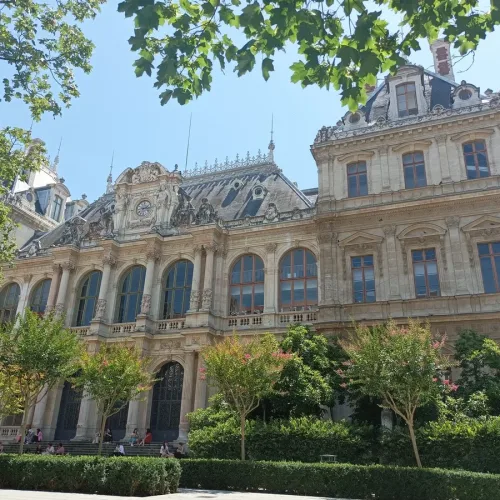
Istoriškai, Lionas buvo pramoninis miestas. Pasroviui esantis Ronos slėnis, į pietus nuo miesto teritorijos, yra daugybė naftos chemijos veiklos rūšių, vadinamajame “Chemijos slėnis.” Po tekstilės pramonės nuosmukio ir uždarymo, Lionas palaipsniui persiorientavo į aukštųjų technologijų sektorius, pavyzdžiui, farmacija ir biotechnologijos. Tai taip pat antras pagal dydį studentų miestas Prancūzijoje, su keturiais universitetais ir keliomis prestižinėmis mokyklomis. Be to, miestas išsaugojo reikšmingą architektūrinį paveldą, apimantį nuo romėnų laikų iki 20 a., įskaitant Vieux Lyon rajonus, Fourvière kalva, Presqu'île, ir Croix-Rousse šlaitai, kurie įrašyti į UNESCO pasaulio paveldo sąrašą.


Pradžių, Lugdunum nurodė Fourvière kalvą, kur buvo įkurtas senovinis Liono miestas. Nuleisti žemyn, dabartiniame Sent Vincento rajone, buvo galų kaimas Kondatas, greičiausiai paprasta upeivių ar žvejų gyvenvietė prie Sonos upės. Kondatas, galų kalbos žodžio reikšmė “santaka,” galiausiai paskolino savo pavadinimą Santakos apylinkei.
Romėnų laikais, miestas buvo žinomas kaip Caput Galliae, prasmė “Galijos sostinė.” Šis prestižinis titulas išliko, su Liono arkivyskupu, vis dar vadinamu Galijos primatu.
Revoliuciniu laikotarpiu, Spalio 12 d. Lionas buvo laikinai pervadintas į „Commune-Affranchie“., 1793, nacionalinio konvento dekretu. Tačiau, 1794 m., pasibaigus Teroro valdymui, jis grąžintas į pradinį pavadinimą.
Nors vietovė buvo apgyvendinta nuo priešistorinių laikų, pirmasis Lugdunum miestas buvo įkurtas 43 m. pr. m. e.. Pagal Romos imperiją, Lionas tapo galingu miestu ir Romos Galijos sostine. Romos imperijos nuosmukis Lionas tapo antraeiliu vaidmeniu Europoje dėl jo nutolimo nuo galios centrų. Vėliau, Karolingų imperijos padalijimo metu, Lionas tapo pasienio miestu. Iki 14 a., politinė galia buvo sutelkta arkivyskupo rankose, kurie įnirtingai saugojo miesto autonomiją. Tik 1312–1320 m. konsulinė institucija pradėjo subalansuoti arkivyskupo galią, pažymėjo galutinę Liono integraciją į Prancūzijos Karalystę.


Renesanso metu, Lionas klestėjo ir tapo pagrindiniu Europos prekybos centru, bet šį klestėjimą sujaukė Religijų karai. Absoliučios monarchijos sąlygomis, Lionas liko vidutinio dydžio Prancūzijos miestu, jos turtai daugiausia gaunami iš šilko pramonės. Prancūzų revoliucija nuniokojo miestą, kuri 1793 m. priešinosi konvencijai. Lionas buvo suimtas kariškai ir susidūrė su griežtomis represijomis, išlipęs iš revoliucinės suirutės gerokai susilpnėjęs.
Napoleonas padėjo Lionui atsigauti, remdamas šilko pramonę, kuris sutapo su žakardo staklių kūrimu. Tai sukėlė ekonominį ir pramonės pakilimą, kuris tęsėsi iki Pirmojo pasaulinio karo. XIX amžiuje, Lionas buvo žinomas dėl savo šilko audėjų, cannuts, ir patyrė smurtinius darbininkų sukilimus 1831 ir 1834 m. Belle Époque pažymėjo Liono šilko dominavimo nuosmukį ir įvairių kitų pramonės šakų, pavyzdžiui, automobilių, kilimą., Cheminių medžiagų, ir elektros energija. Trečiojoje respublikoje, savivaldybės valdžia atgavo savo galias ir įžengė į radikalizmo šimtmetį, kulminaciją pasiekė Édouard Herriot 1957 m.
Antrojo pasaulinio karo metu, Lyon, vienas didžiausių laisvosios zonos miestų, tapo pasipriešinimo tinklų centru. Jeanas Moulinas šiuos tinklus ypač suvienijo į Jungtinius pasipriešinimo judėjimus.
Po karo, Lionas greitai atsigavo ir patyrė didelę miesto plėtrą, statant daugybę gyvenamųjų rajonų. Su tvirtomis pramonės šakomis ir klestinčiu tretiniu sektoriumi, miestas įsitvirtino kaip pagrindinis Prancūzijos ir Europos metropolis.
Apsilankykite Lione su oficialiu kelionių vadovu
-
 Liono kelionių vadovasIš: 350€
 -
Ekskursijos Prancūzijos pietuoseIš: 490€
-
Ekskursija su gidu po Liono FourvièreIš: 300€
-
Ekskursija su gidu po Liono pusiasalįIš: 300€
-
Privatus turas Ronos slėnyje790€ TTC